Making Space for the Real and Moving With The River
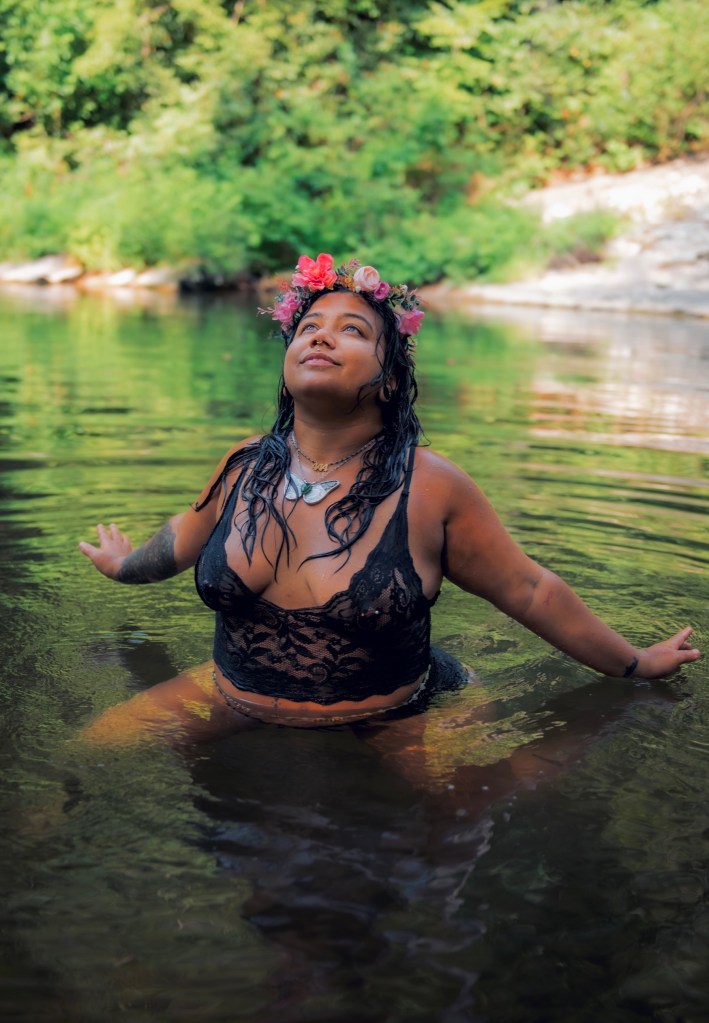
How community leader Maria is redefining what it means to teach, make art and be a yoga body
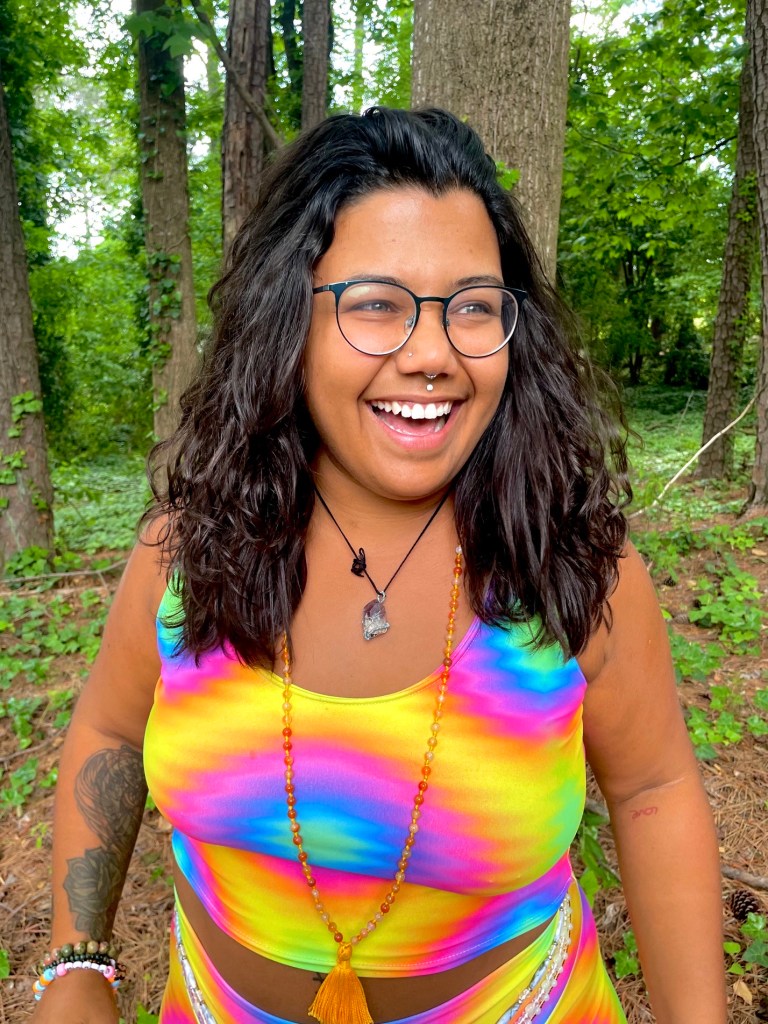
Maria exists in the imperfect balance between the heaviness of what burdens us all and her ability to transcend it through expression. She spoke to me from a place of realness and redemption. She has a gentle tone. Yet, a forward energy.
At 33, she doesn’t introduce herself through accolades. She also doesn’t start by mentioning the communities she’s cultivated or the countless students she’s guided toward stillness. Instead, when asked what she is devoted to today, her answer is unexpectedly intimate. “I’m currently devoted to alchemizing my shame, guilt, and fear in a way that builds trust and integrity within myself.”, she says.
It is an answer that immediately reveals a real woman behind the teacher. This energy emanates off her and the way she articulates her thoughts. There’s a depth that any philosophical mind would be intrigued by.
Rather than presenting herself as someone who has reached enlightenment, Maria speaks from her humble lived experiences. She describes herself as “more curious than ever before,” while also acknowledging a very real truth: the pandemic fundamentally reshaped the way she moves through the world. Maria finds herself balancing the spirit of an adventurer with a newly developed sense of awareness.
“I’ve abandoned a lot of things that make me, me,” she reflects candidly. “I’m trying to find balance between the curious explorer I used to be and the humble hermit I’ve been.”
So relatable.
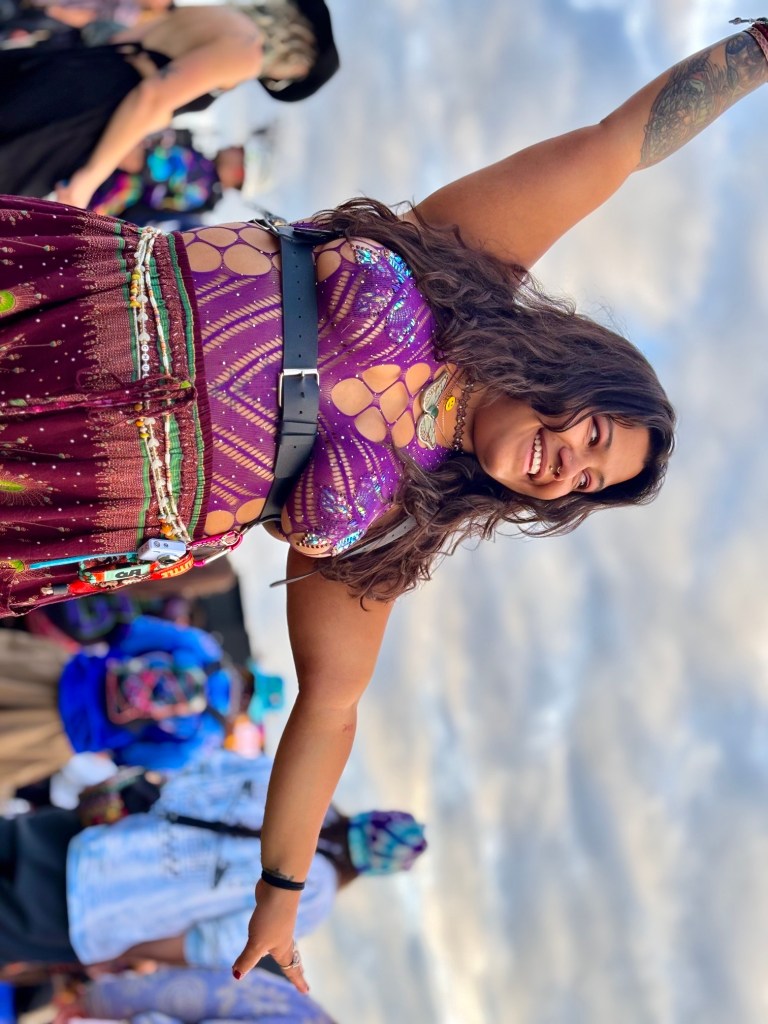
It is this radical honesty that makes Maria’s work resonate with so many.
Long before yoga became her practice, it was simply curiosity. At twelve years old, she stretched in lotus pose while watching television, fascinated by what the human body could learn if given patience. Sitting and developing a relationship with self that only so many ever receive.
Everything changed years later during a simple savasana at her neighborhood gym. For the first time, her attention turned inward. Savasana, the great teacher of the inner universe.
Soon after, her father opened a yoga studio in Fort Lauderdale, giving Maria access to classes. There she went through the canon experience of all women before us and all women to come, comparison. Watching thinner bodies effortlessly fold into postures that felt inaccessible planted quiet questions about her own body image. Those questions lingered and developed into a subconscious that held her hostage for many years. Something so many women can understand, especially in our youth. The weight of what is socially expected of us is often much heavier than the weight of what we can bare.
Life eventually carried her to Ohio, where another chapter unfolded. Living alone while her partner traveled for work, Maria began creating rituals that transformed ordinary days into acts of self indulgence and care. She exercised consistently, prepared nourishing meals, worked hard, soaked in long bubble baths, and slowly discovered a revolution stirring. She enjoyed taking care of herself. Life regained commitment, color and meaning. She earned a new sense of self that gave her a new life.
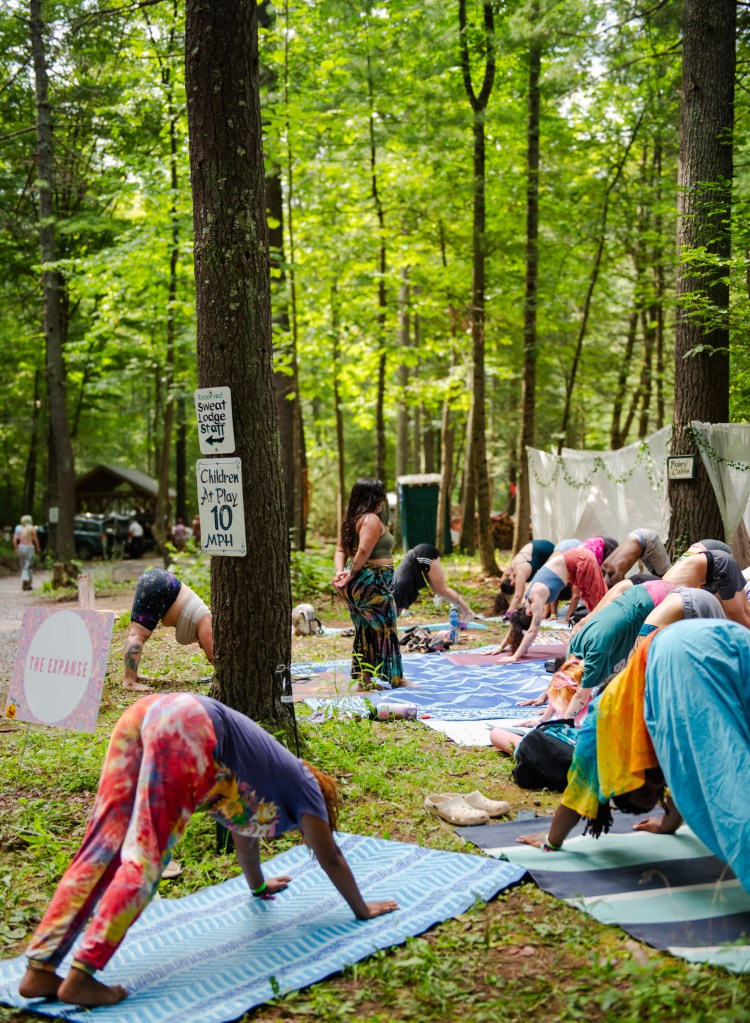
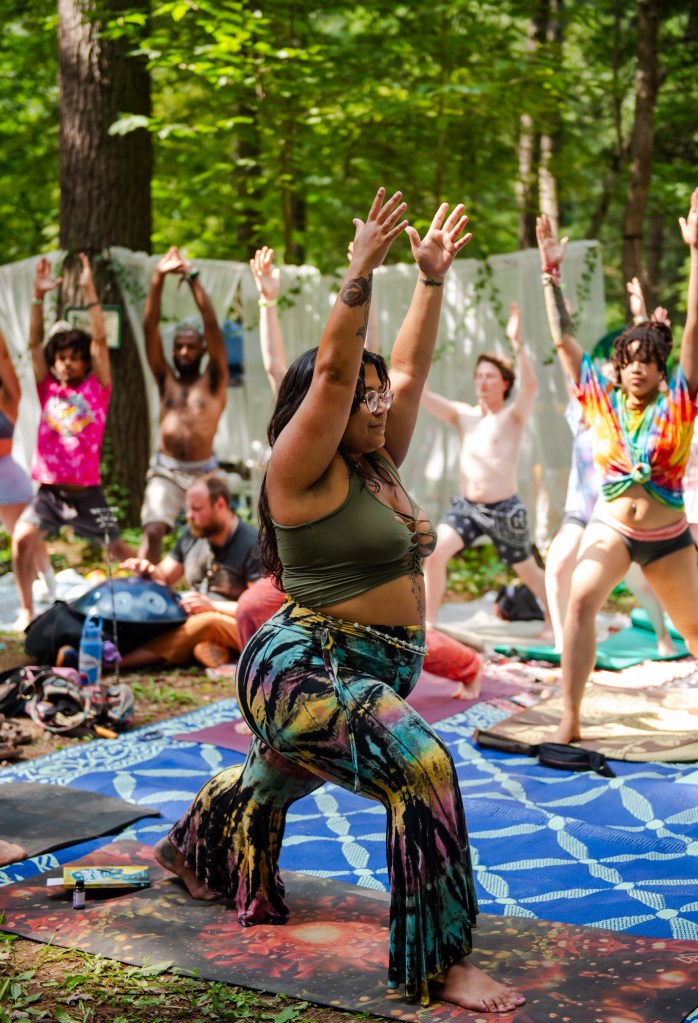
Yoga reclaimed her passion and she went back to her mat. A sacred place that a yoga, no matter their size or shape, may return to over and over again in the name of living. A yogi is not just defined by their hours of practice but the way in which their practice resonates to their existence. Once you tap into the spirit of yoga, you will be forever invited to return.
During a private lesson, Maria admitted that her dream postures were Crow and Headstand. Looking back now, she recognizes why. “As a fat woman,” she says, “I chose two poses that felt inaccessible.”
Instead of dismissing those aspirations, her teacher helped her patiently build toward them. Strength where strength was needed. The right guidance can truly change someone’s life in an instant. By the end of the session, she held her first supported headstand against a wall. “I felt weightless,” she recalls. The catalyst of a great healing.
She enrolled in yoga teacher training, life unraveled. Within weeks she lost her place to live. Shortly afterward, she lost her job. Many people would have interpreted these moments as signs to stop, but Maria interpreted them as invitations to push. Her teacher training became less an educational program and more of a reality check/hardcore awakening. “It cracked me wide open,” she said. When our reality shifts and we are left with nothing more than who we really are, it can be easy to surrender. Maria took the path of less ease… but the path of true redemption.
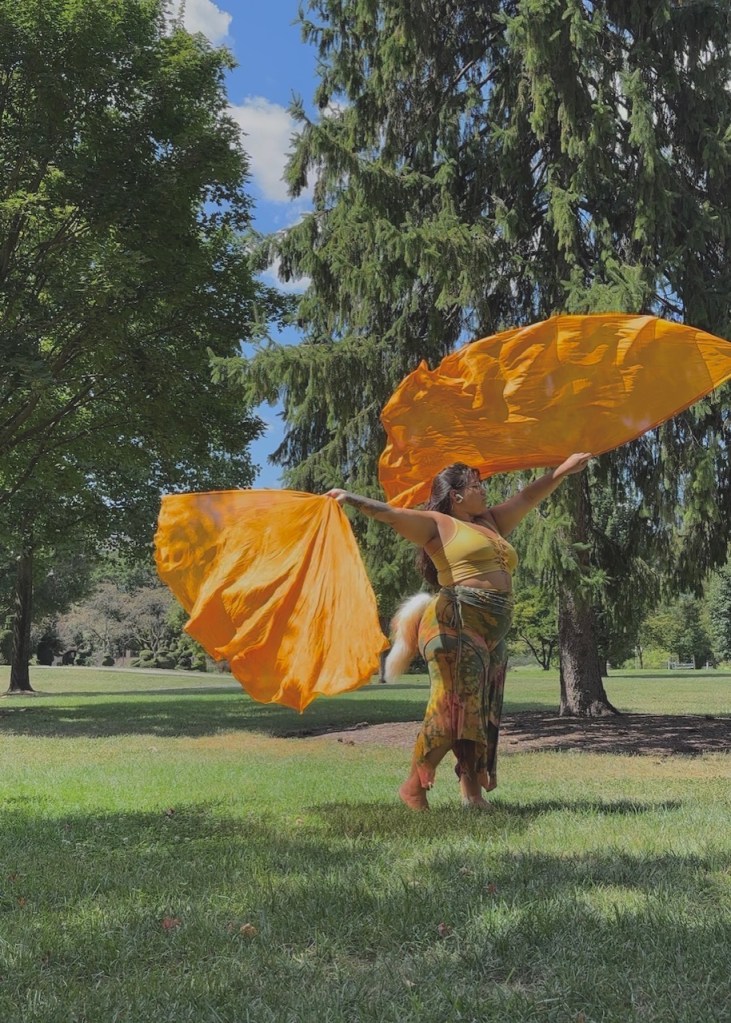
When Maria speaks about yoga, she speaks as someone whose body has often been politicized by others. Tokenized, demonized and used as some form of social currency or rejected all together. She is direct about one of the greatest challenges of her life. “Being fat,” she says plainly. She’s so fuckin real. Rather than minimizing the impact of society’s expectations, she names them, outright. “I feel that I’ve had to compensate for what society tried to convince me I lacked.”, she explains.
The world of western white yoga prioritizes colonial bodies. Yet, the greatest teachers come in many shades and share many backgrounds. They have bodies of all shapes and sizes. Existing in a world so precious to you while simultaneously combating the colonial takeover with your simple existence must be… exhausting. Maria exists so people can see what is real and what is important. Yoga as a healing modality, no matter what you look like.
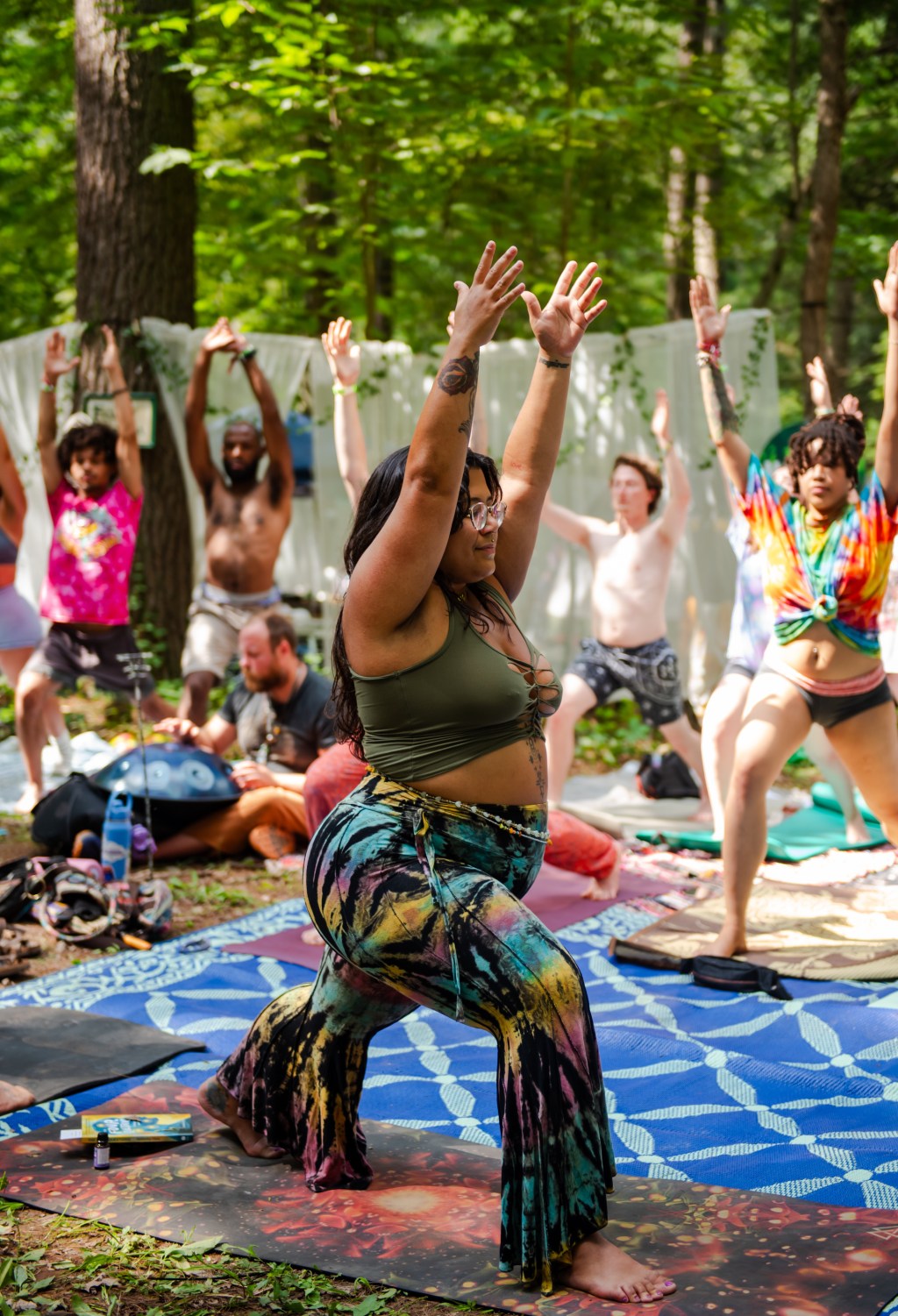
Instead of viewing her body as something to shrink or apologize for, she began seeing it as an instrument capable of strength and possibility. Her lived experience also transformed the way she teaches because she knows firsthand what certain postures feel like in a larger body, she offers modifications many instructors might never consider. Her students are invited into a practice that celebrates adaptation rather than achievement. Acceptance over perfection. She wants yoga to meet people exactly where they are, for what they are, as they come.
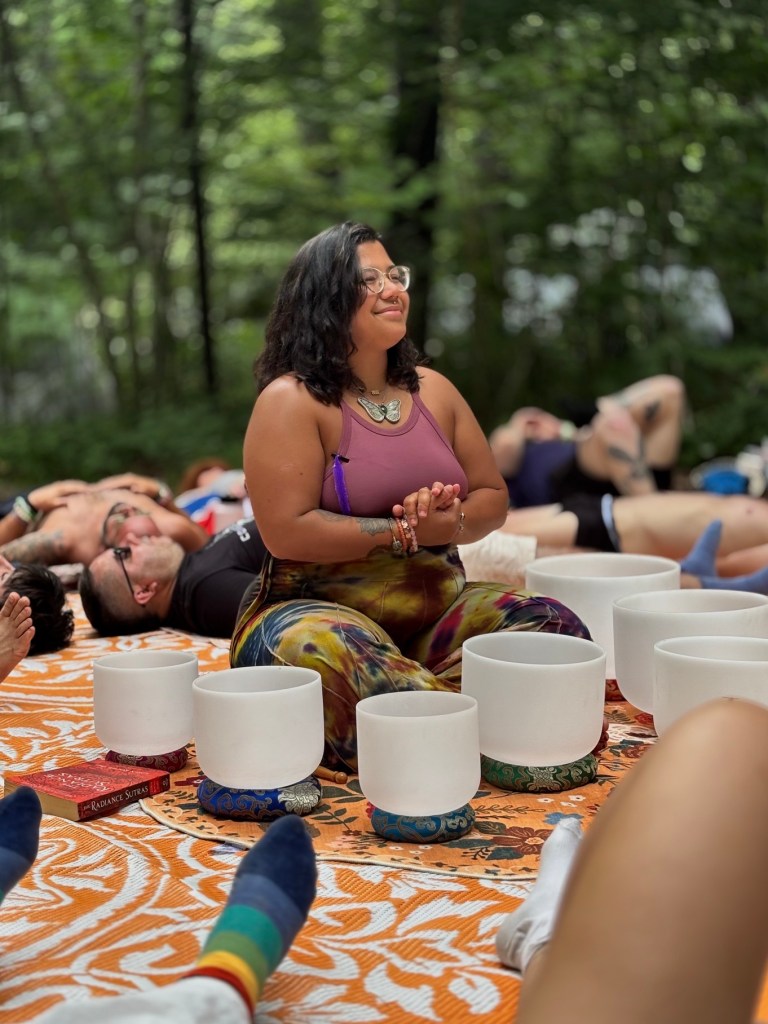
Sometimes life’s biggest opportunities arrive quietly in an email. After completing her 200-hour certification, Maria worked at the front desk of her yoga studio when she came across an invitation seeking local teachers for a music festival in Ohio. The festival was Lost Lands.
Without hesitation, she volunteered. Teaching there would become one of the defining experiences of her career. “It changed my brain on a cellular level,” she says. Festival culture engulfed her as she flourished in the open classroom. A beautiful experience. Scheduling conflicts taught adaptability and unexpected challenges strengthened creativity and resilience. Camping also teaches a person so much about teamwork and collaboration.
Despite the chaos often associated with large festivals, Maria discovered spaces where yoga, community, and music intersected in deeply meaningful ways. She remains, above all else, a student. “Every festival I attend,” she says, “is an opportunity to practice.”
Maria also speaks candidly about something many creatives struggle to articulate: the commercialization of spaces that once felt sacred. For her, rave culture originally represented something revolutionary, like a countercultural movement rooted in connection and expression, but she worries those values are increasingly overshadowed by consumerism. “We’ve forgotten that the DJ booth isn’t the highlight,” she says. “It’s us.” The people bring the power.
Despite these shifts, she refuses to compromise the integrity of her own work. “I simply do not compromise,” she explains. “I measure the value of my relationships and the spaces that I find myself in by how honestly and openly I can love in them.”
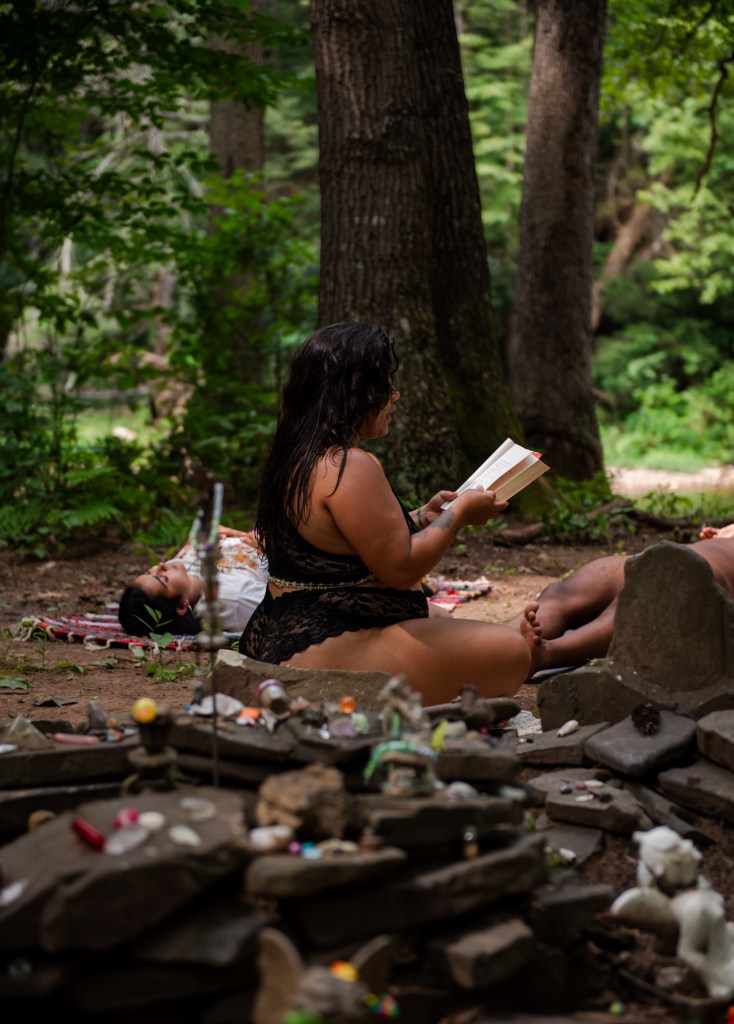
It is perhaps the clearest energy she offers throughout the conversation. In a culture obsessed with productivity and performance, Maria chooses presence. You can feel it on her. It resonates and taps every person she comes into contact with.
Ask Maria where her wisdom comes from and she will point you to her relationships. The connections she builds through conversation. Like the lotus she references throughout the interview, Maria believes beauty emerges despite the mud.
She also credits the women in her life for shaping her understanding of strength. A friend named Marcy taught her about boundaries. Her relationship with her mother continues teaching her who she wants, and doesn’t want, to become. For Maria, sisterhood extends beyond encouragement and into accountability. She wants people around her who speak well of each other in rooms of opportunity. People who pass the microphone.
Perhaps the most compelling thing about Maria is that she never claims to have arrived. She readily admits she has drifted from aspects of herself over the years, only to return to some versions and discard others. Instead of masking her realities behind polished branding, she includes them in her self definition. Her darkness is embodied right next to her light in a beautiful synopsis. “There’s yoga in this, too,” she says. That perspective feels especially relevant in a world constantly asking women to optimize into polished media machines.
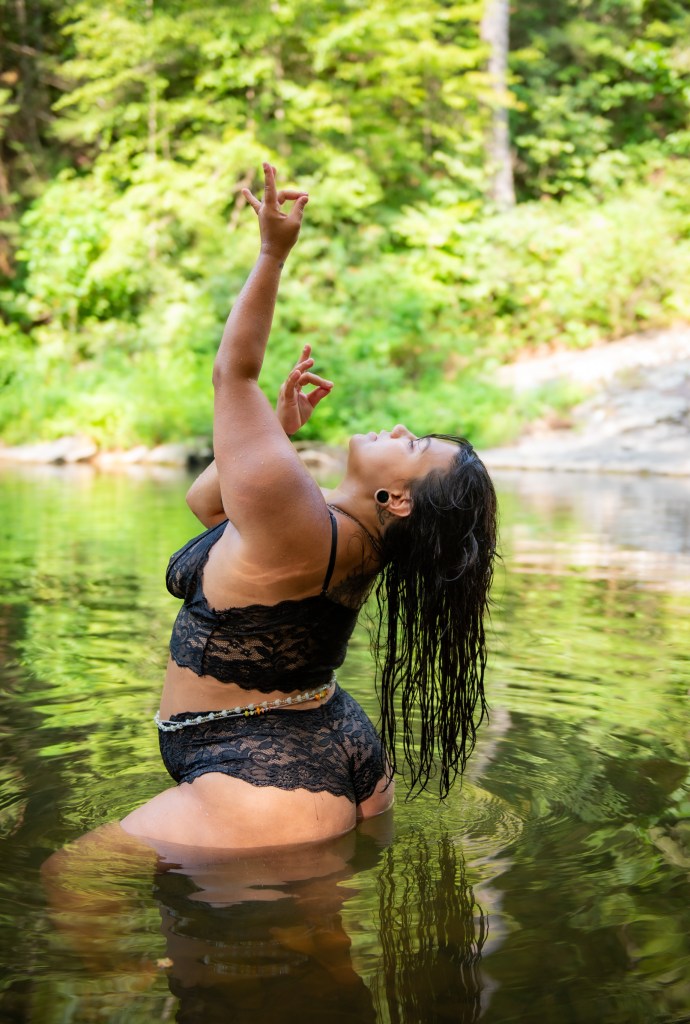
Maria offers another possibility to us where healing is not linear, more like a spiral. She stands to show that leadership includes vulnerability and transparency. Community is not built on branding, its built in real human connection. Her spirituality is less about transcendence and more about gratitude.
If someone meets Maria on the mat for the first time, she hopes they don’t leave thinking about her. She is simply the bridge to something better. “I hope they feel their own presence,” she says. “I hope they feel safe. I hope they feel playful, curious, and unserious.”
In many ways, those words summarize her life’s work and her very essence. She doesn’t need to be validated by becoming the center of the room because she’s creating a space where others finally feel free to become themselves.


Leave a Reply